Technology
Powered by innovation, protected by patents – SOLiTHOR’s Solid Composite Electrolyte (SCE) Technology platform.
A family of advanced materials designed for light, compact and easily scalable next generation solid-state batteries.
Engineered for high-energy density, low pressure operation and synthesised by a unique roll-to-roll coating process, SOLiTHOR’s next-generation family of Solid Composite Electrolyte materials has several distinctive features:
- Drop-in manufacturability: Our liquid-to-solid process produces a solid electrolyte that integrates seamlessly into existing cell production lines without expensive equipment rebuilds
- Sustainable production: Our solid electrolyte manufacturing requires no high-temperature processing and uses minimal solvents and materials free from rare earth elements such as germanium
- Simplified integration: Our low-pressure cell operation eliminates complex compression requirements, streamlining integration into battery modules and packs
Validated performances
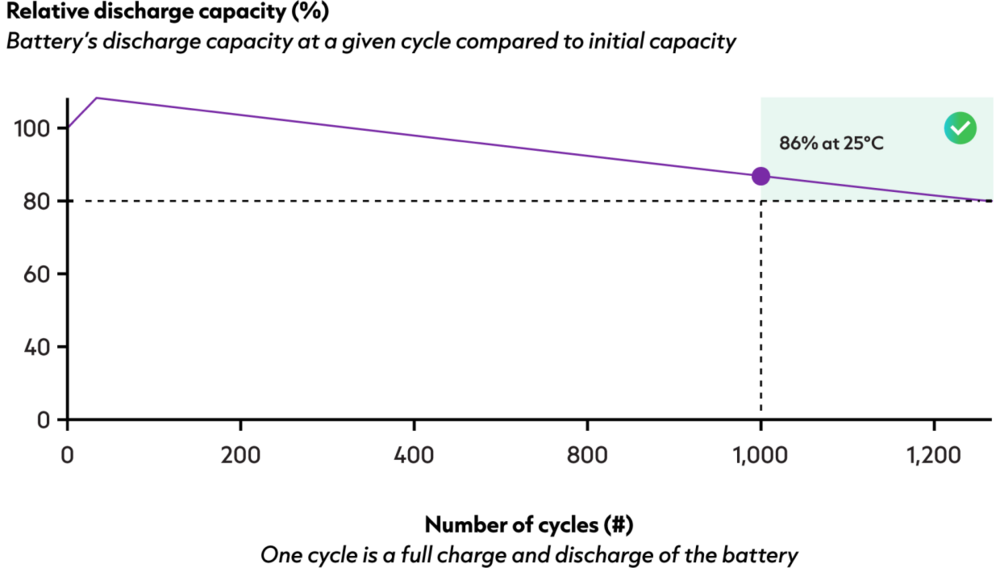
SOLiTHOR has achieved ~1150 cycles @>80% and ~ 2000 cycles @60%
The minimum standard for commercial adaptability: at least 80% capacity retention after 1.000 cycles (full charge-discharge cycles from 0% to 100% State-of-Charge).
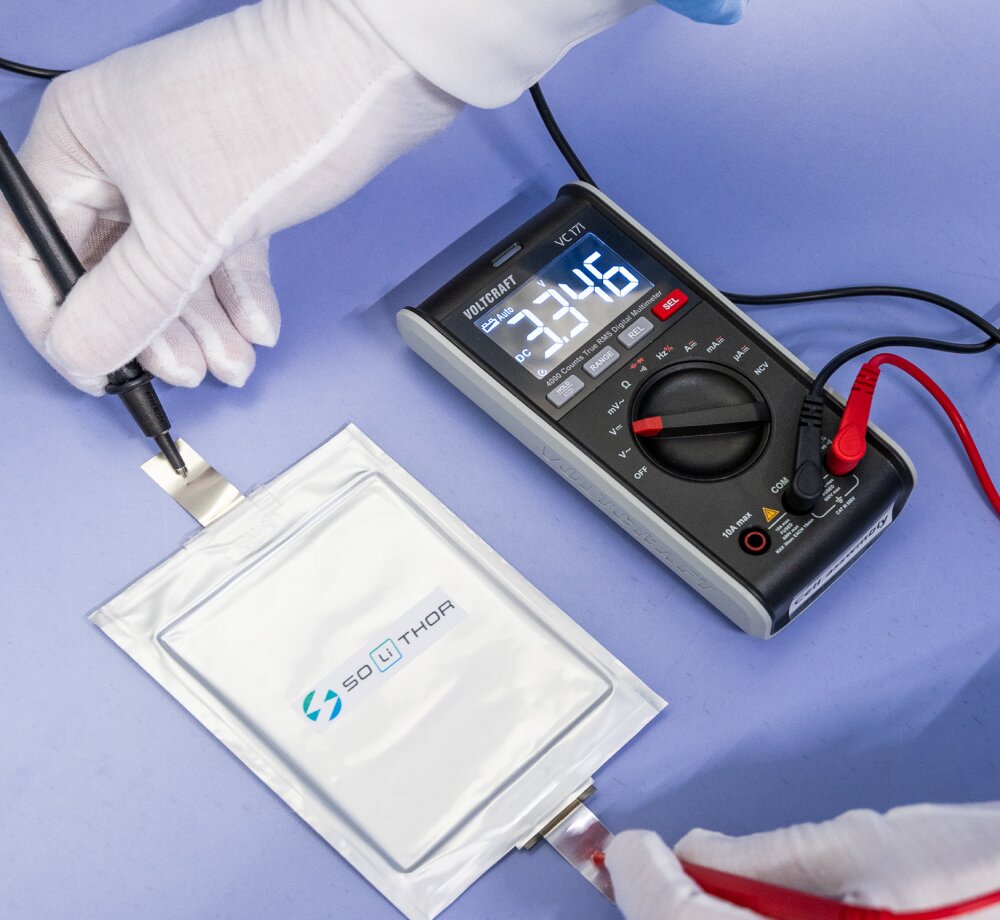
Demonstrated integration of SCE into multilayered pouch cell with a capacity ranging between 1Ah-3Ah, typically operated in a temperature range of 25°C up to 60°C and 350kPa
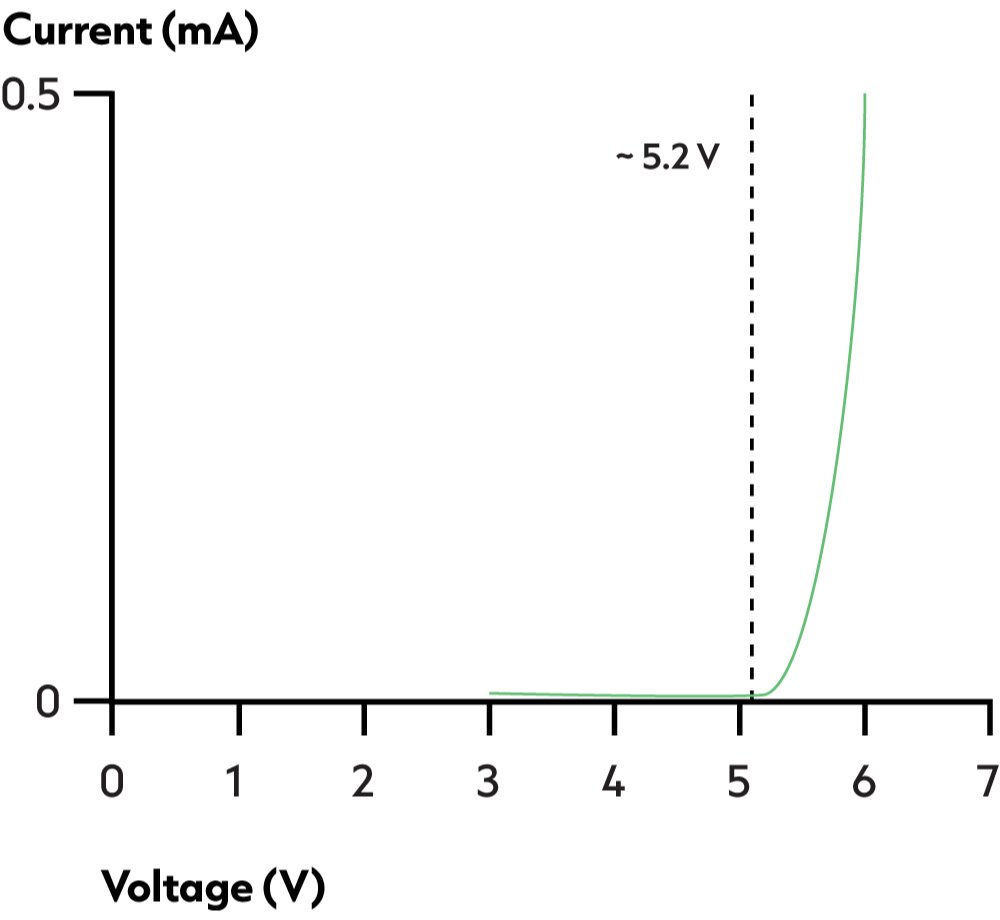
A large voltage stability window up to 5,2V vs Li+/Li, compatible with various cathode active materials, experimentally proven with LFP, NMC622 and NMC811
Demonstrated energy density of up to +380Wh/kg at stack using conventional NMC811 electrodes
SCE Manufacturability
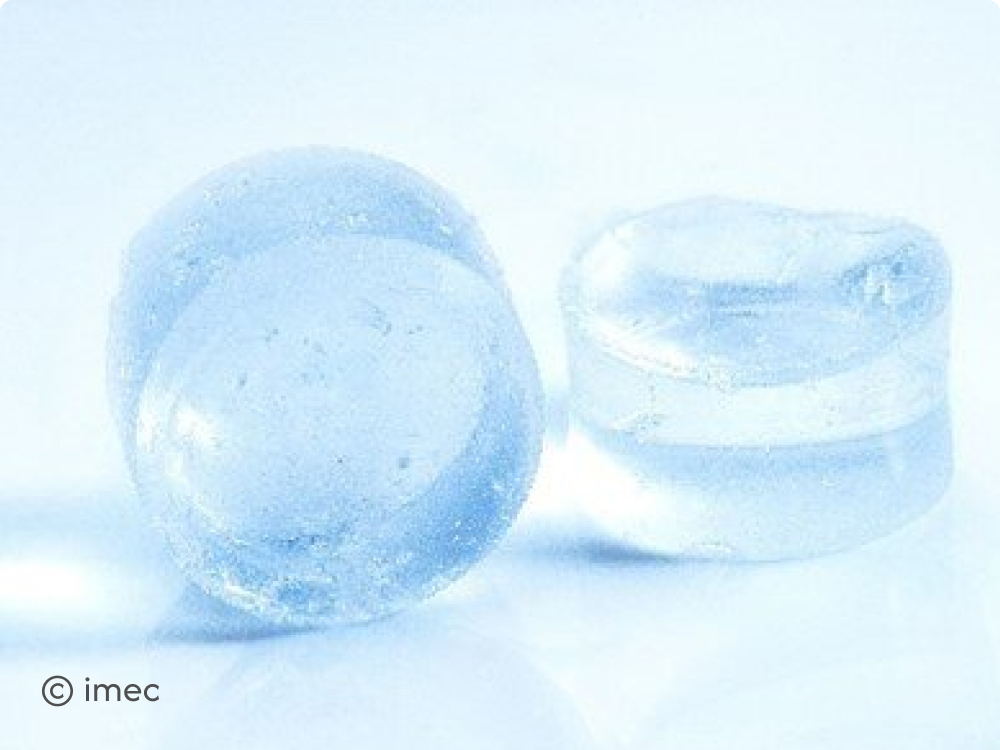
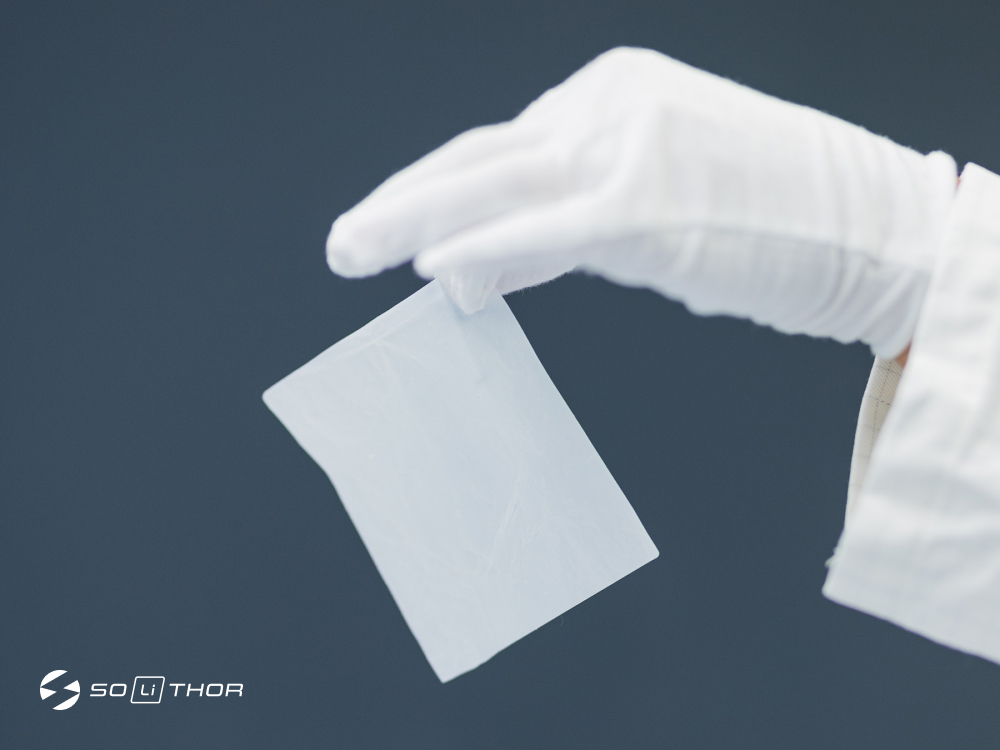
From pellets to thin films
Since operations began in 2022, SOLiTHOR’s R&D team has continuously refined SCE processing techniques to achieve thin-film rolls of Solid Composite Electrolyte separators.
From thin films to rolls
We have expanded our manufacturing capabilities to include thin film production via a roll-to-roll process, enabling scalable, high-precision fabrication for advanced solid-state battery components.
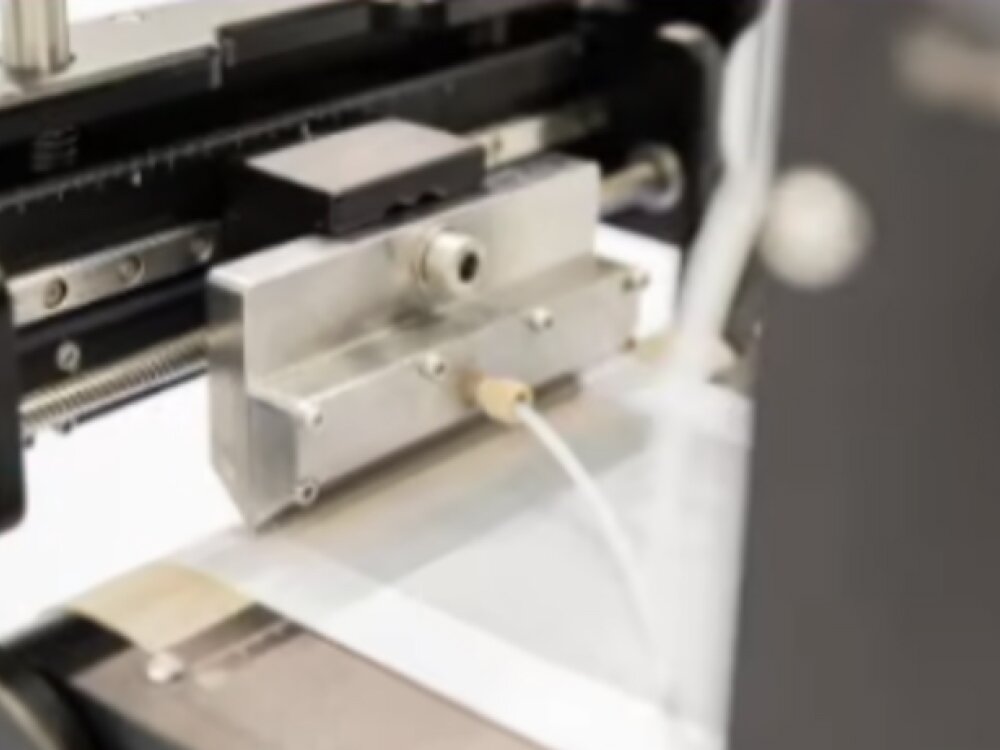
Roll-to-roll impregnation of solid electrolyte into the separator - pilot-scale proof of concept up to 10 meters roll
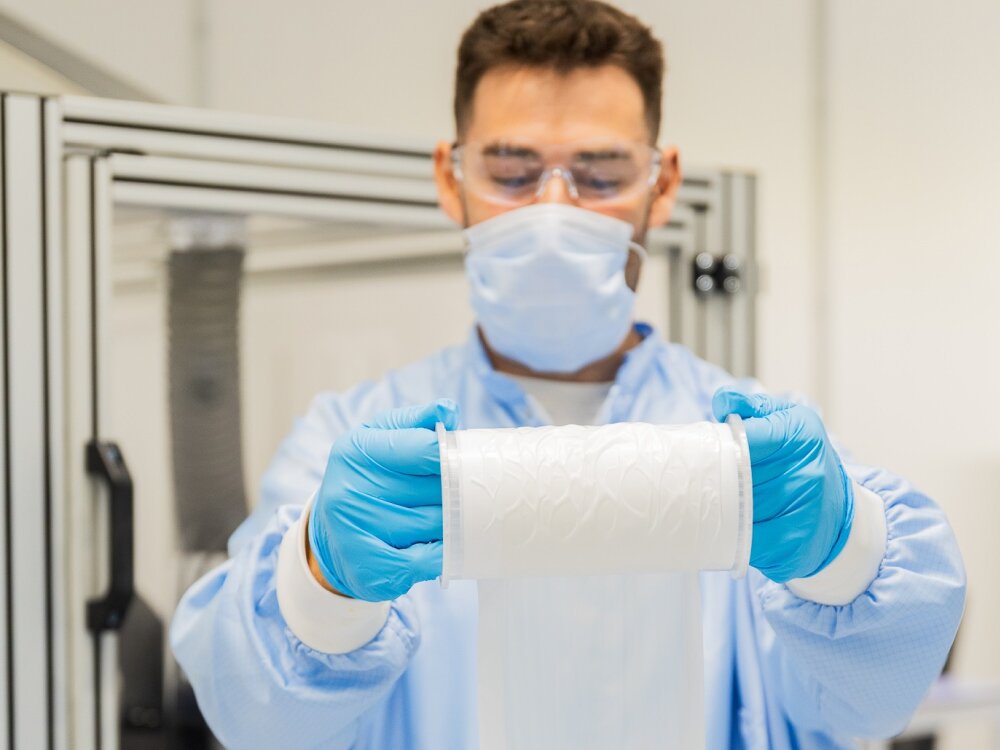
Roll of Solid Composite Electrolyte separator ready for cell assembly
Designed for Roll-to-Roll Compatibility
Tailored to integrate seamlessly with roll-to-roll production - the industry-standard method for Li-ion battery manufacturing
Slot-Die Coating with Sol-Gel Solidification
Our pilot facility uses slot-die coating to infiltrate porous cathodes and separators with liquid precursors, followed by in-line solidification via sol-gel chemistry enabling precise, scalable integration with existing battery architectures
No additional capex needed
Our unique liquid to solid conversion enables direct compatibility with existing manufacturing lines - accelerating adoption
Solid-State Cell Assembly
Once the liquid electrolyte formulation has been impregnated and solidified into the cathode and separator components, these are assembled with the lithium anodes to form high-performance solid-state pouch cells ready for application
Our SCE Platform
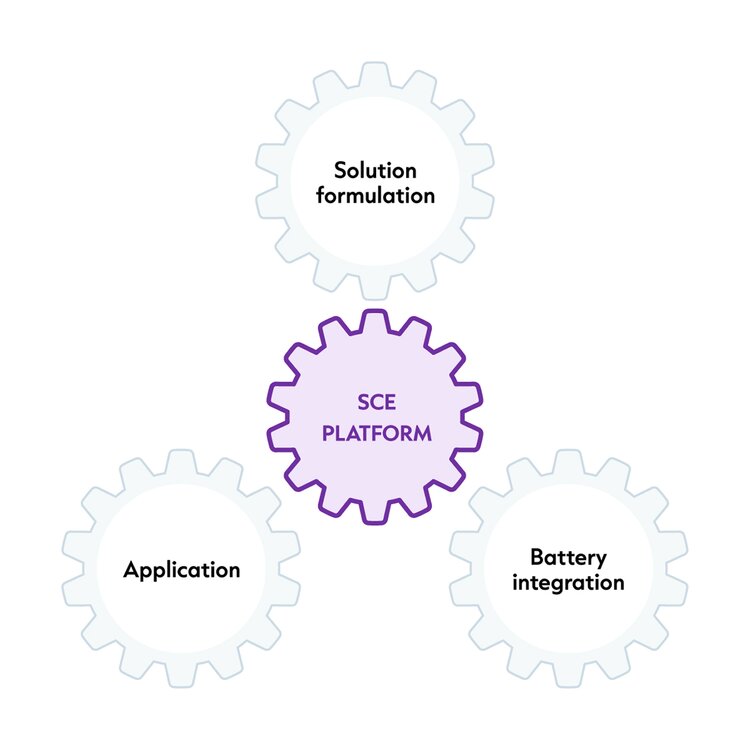
By adjusting the composition of our Solid Composite Electrolytes, SOLiTHOR customises key battery properties, including ionic conductivity, thermal stability, and interfacial reactivity - delivering high-performance solutions tailored to specific applications
Solution formulation: Tunable liquid solution containing various chemical components in precisely measured quantities
Application: Fine-tuning the thickness, elasticity, and self-standing properties of the solidified electrolyte and optimising coating conditions
Battery integration: Battery assembly from components including the SCE with lithium metal, and various cathode types